Source 50t Steel Fifth Wheel Kingpin for trailers, trucks, and transport fleets
Explore 30 listings for the 50t Steel Fifth Wheel Kingpin designed for heavy-duty towing. Buyers can compare specifications like weight, load capacity, and certifications from verified Chinese manufacturers.
Key considerations
Products List


Assembling Welded Type Fifth Wheel Kingpin in Truck Semi Trailer Parts
$10.00 - $25.00
MOQ: 200 Pieces


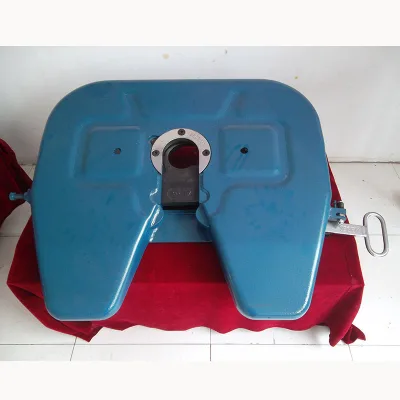


2 Inch Casting Fifth Wheel for Semi Truck and Trailer King Pin Size 2''/50
$160.00 - $165.00
MOQ: 50 Pieces


China Factory Direct Sales 3.5 Inch/2" Fifth Wheel Hitch King Pin for Semi Trailer
$15.00 - $25.00
MOQ: 50 Pieces

5th Wheel Wondee 3.5 Inch /3.5'' Fifth Wheel Hitch for Semi Trailer for King Pin
$170.00 - $200.00
MOQ: 10 Pieces
Comprehensive Sourcing Guide
Strategic Sourcing Guide for 50t Steel Fifth Wheel Kingpin Systems
Understanding the Core Component and Material Integrity
The 50t Steel Fifth Wheel Kingpin represents a critical interface in heavy-duty towing operations, serving as the primary mechanical link between the tractor unit and the semi-trailer. In the context of B2B procurement, understanding the fundamental composition of this component is the first step in ensuring operational safety and longevity. Based on observed market data, the primary material utilized for these units is steel, specifically selected for its high tensile strength and resistance to the immense shear forces generated during transport. The manufacturing process often involves a combination of forging and stamping techniques, which are essential for creating the robust geometry required to handle maximum payload capacities.
When evaluating the physical attributes of a 50t system, buyers must look beyond the generic term "steel" to understand the specific processing methods. The observed data indicates that these components undergo surface treatments such as painting to protect against corrosion, a vital consideration for equipment operating in diverse environmental conditions. The weight of the unit is a significant logistical factor; observed specifications list weights ranging from approximately 110kg to 130kg depending on the specific model and configuration. This variance is not merely a number but a reflection of the structural density required to support the rated vertical load of 20,000 kg. Procurement teams should verify that the steel grade and forging density match the specific load requirements of their fleet, as the integrity of the kingpin is paramount to preventing catastrophic failure on the road.
Technical Specifications and Dimensional Standards
Precision in technical specifications is non-negotiable when sourcing fifth wheel kingpins. The compatibility between the tractor and the trailer relies heavily on adherence to established dimensional standards. The market data highlights specific standard sizes, including 2-inch and 3.5-inch configurations, alongside metric equivalents such as 50mm and 90mm. These dimensions dictate the physical interface of the locking mechanism. The "D-Value," a critical measurement for the kingpin's geometry, is observed in ranges of 152mm and 182mm. This measurement directly influences the stability of the connection and the clearance required for the tractor's chassis.
Furthermore, the installation height is a crucial specification that must align with the tractor's frame. Observed data points to an installation height of 173mm, a figure that must be verified against the specific vehicle model to ensure proper alignment and load distribution. The type of fifth wheel system is also a key differentiator; listings distinguish between "Towing Pin" and "Fifth Wheel" configurations, though in many heavy-duty contexts, the kingpin is the central element of the fifth wheel assembly. The axle and tire configurations of the trailer being towed also impact the selection process. While the kingpin itself is a tractor-side component, the trailer's axle number (observed as 3 or 6) and tire count (2 or 6) influence the total load distribution, which the 50t rated capacity must accommodate.
Buyers should also note the absence of ABS (Anti-lock Braking System) integration in certain observed models, indicating that the kingpin is a purely mechanical component. The warranty periods observed vary, with some listings offering 6 months and others 12 months, reflecting different confidence levels in the manufacturing quality. The color options, typically white, black, or gray, are secondary to the functional specifications but may be relevant for fleet standardization. The following table summarizes the key dimensional and load specifications observed in the current market:
| Specification Category | Observed Values | Notes for Verification |
|---|---|---|
| Material | Steel, Forged and Stamping | Verify steel grade and heat treatment. |
| Rated Vertical Load | 20,000 kg | Ensure this matches the 50t payload requirement. |
| Standard Sizes | 2 inch, 3.5 inch, 50mm, 90mm | Confirm compatibility with existing trailer hitches. |
| D-Value | 152 mm, 182 mm | Critical for chassis clearance and locking geometry. |
| Installation Height | 173 mm | Must align with tractor frame specifications. |
| Weight | 110 kg - 130 kg | Impacts shipping costs and handling requirements. |
| Max Payload Capacity | 50t | Theoretical limit; verify actual usage safety factors. |
Compliance, Certification, and Regulatory Frameworks
In the international trade of heavy vehicle components, certification serves as the primary indicator of quality and regulatory compliance. The sourcing landscape for 50t steel fifth wheel kingpins is characterized by a robust set of certifications that buyers must verify. The most frequently observed certifications include ISO/TS16949, ISO, CCC (China Compulsory Certification), DOT (Department of Transportation), CE, BV, and SGS. These certifications are not merely marketing labels; they represent adherence to specific quality management systems and safety standards.
ISO/TS16949 is particularly significant as it is the global technical specification for automotive quality management systems. A supplier holding this certification demonstrates a commitment to continuous improvement and defect prevention, which is essential for safety-critical components like kingpins. The presence of DOT and CE certifications indicates that the product meets specific safety and environmental regulations for the North American and European markets, respectively. However, buyers must exercise caution and request valid, current certificates rather than relying on general claims. The origin of these products is predominantly China, specifically the Shandong province, a major hub for heavy vehicle manufacturing.
The HS code for these components is typically 871690, which classifies them under parts and accessories of trailers and semi-trailers. This classification is vital for customs clearance and duty calculation. Additionally, the product standard is often referenced as 50# or 90#, which may refer to specific industry standards or material grades. Buyers should ensure that the supplier can provide documentation proving that the product meets the specific regulatory requirements of the destination country. The "OEM" (Original Equipment Manufacturer) attribute observed in listings suggests that these components are designed to fit existing tractor and trailer models, but buyers must confirm that the OEM designation refers to the specific vehicle make and model they intend to service.
Cost Drivers and Procurement Economics
The pricing structure for 50t steel fifth wheel kingpins is influenced by a complex interplay of material costs, manufacturing complexity, and logistical factors. The observed price range in the market spans from approximately $9.82 to $300 USD. This wide variance is not indicative of a single product but rather reflects differences in material quality, manufacturing processes, certification levels, and order volumes. The lower end of the price spectrum may correspond to basic models or smaller quantities, while the higher end likely reflects premium forged units with comprehensive certifications and bulk packaging.
The Minimum Order Quantity (MOQ) is another critical economic factor, with observed ranges extending from 1 unit to 200 units. For buyers looking to establish a long-term supply chain, negotiating MOQs can significantly impact the unit cost. The packaging method, observed as pallets, boxes, or standard export packages, also affects the final landed cost. Heavy components like kingpins require robust packaging to prevent damage during transit, and the choice of packaging material and method will influence shipping expenses.
Furthermore, the warranty period acts as a proxy for the perceived value and risk associated with the product. Listings offering a 12-month warranty may command a higher price point compared to those offering 6 months, as the supplier assumes more liability. The "After-sales Service" attribute, often cited as "Within 24h" or "Yes," adds value to the procurement decision by ensuring rapid support in case of operational issues. Buyers should calculate the total cost of ownership, including potential downtime costs, rather than focusing solely on the initial purchase price. The weight of the product, ranging from 110kg to 130kg, also contributes to freight costs, which can be substantial for international shipments.
Supplier Evaluation and Operational Capabilities
Selecting the right supplier requires a rigorous evaluation of their operational capabilities and track record. Given that the majority of these products originate from China, specifically Shandong, buyers should focus on suppliers who demonstrate transparency and reliability. The "Condition" of the product is universally listed as "New," but this should be verified through site audits or third-party inspections to ensure that the goods are not refurbished or used stock. The "Customization" attribute being "Available" is a significant advantage for buyers with unique fleet requirements, allowing for tailored solutions regarding dimensions or surface finishes.
Suppliers should be evaluated based on their ability to provide consistent quality and timely delivery. The "After-sales Service" commitment, such as a 24-hour response time, is a strong indicator of a supplier's dedication to customer satisfaction. Buyers should also assess the supplier's inventory management and production capacity to ensure they can meet demand fluctuations. The "Tent Type" and "Axle Number" attributes observed in some listings suggest that suppliers may offer a broader range of trailer components, which could be beneficial for buyers seeking a single-source provider for multiple parts.
When evaluating potential partners, buyers should request samples to verify the physical attributes, such as the surface painting quality and the precision of the D-Value and installation height. The "Color" options, typically white, black, or gray, should be confirmed to match fleet aesthetics if required. The "Use" category is explicitly listed as "Trailer Parts," confirming the intended application. Buyers must ensure that the supplier has the necessary infrastructure to handle the "Standard Export Package" requirements, which are essential for international shipping.
Quality Control and Long-Term Procurement Strategy
Implementing a robust quality control (QC) strategy is essential for mitigating risks associated with the procurement of heavy-duty towing components. Given the critical role of the fifth wheel kingpin in vehicle safety, buyers should insist on pre-shipment inspections that verify material composition, dimensional accuracy, and surface treatment quality. The "Weight" and "Max Payload" specifications must be rigorously tested to ensure they meet the claimed 50t capacity. The "Loading Weight" of 25t observed in some contexts may refer to the trailer's capacity, which must be compatible with the kingpin's 20,000 kg vertical load rating.
Long-term procurement considerations should focus on building a resilient supply chain. This involves establishing clear communication channels with suppliers regarding warranty claims, replacement policies, and technical support. The "Warranty" period, whether 6 months or 1 year, should be clearly defined in the contract, including the scope of coverage and the process for filing claims. Buyers should also consider the "Standard" and "Specification" consistency across orders to ensure interchangeability of parts within their fleet.
The "Process" of surface painting should be monitored to prevent corrosion, which can compromise the structural integrity of the steel component over time. Buyers should verify that the painting process adheres to industry standards for durability and adhesion. Additionally, the "HS" code and "Certification" documents must be accurate to facilitate smooth customs clearance and avoid delays. By maintaining a disciplined approach to quality control and supplier management, buyers can ensure the reliability and safety of their 50t Steel Fifth Wheel Kingpin systems, ultimately protecting their assets and ensuring the continuity of their logistics operations.
FAQs
What certifications are required for 50t steel fifth wheel kingpins?
Products typically hold ISO/TS16949, CCC, DOT, ISO, CE, BV, and SGS certifications. These standards verify quality management and safety compliance for international trade, ensuring the component meets rigorous automotive manufacturing requirements.
How much does a 50t Steel Fifth Wheel Kingpin cost?
The observed price range spans from 9.82 to 300 USD depending on the specific model and order volume. Pricing varies based on material quality, manufacturing processes like forging, and the level of customization required for the fleet.
Which standard sizes are available for the fifth wheel kingpin?
Available standard sizes include 2-inch, 3.5-inch, 50mm, and 90mm configurations. These dimensions ensure compatibility with various tractor and trailer locking mechanisms while maintaining the necessary structural integrity for heavy loads.
Can I customize the 50t Steel Fifth Wheel Kingpin specifications?
Customization is available for buyers with unique fleet requirements. Suppliers can adjust dimensions or surface finishes to match specific operational needs, provided the core material remains steel for optimal strength and durability.
What is the warranty period for these towing components?
Warranty periods vary between 6 months and 12 months depending on the supplier. Some listings offer a 1-year warranty, indicating a higher confidence in the manufacturing quality and long-term reliability of the steel construction.
Where are these 50t steel fifth wheel kingpins manufactured?
The products originate primarily from China, specifically the Shandong province. This region is a major hub for heavy vehicle manufacturing, offering a concentrated supply chain for steel components and related trailer parts.